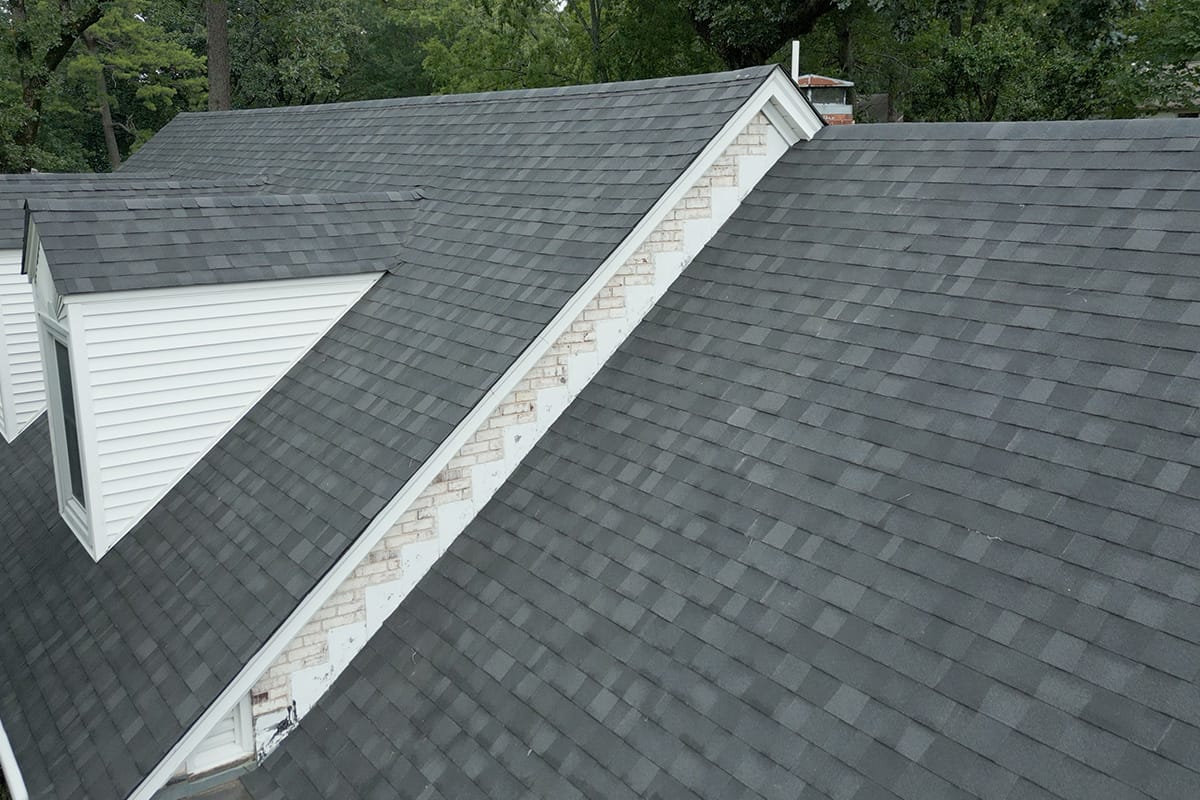
Quick answer: Yes. Baton Rouge winters are mild enough to replace a roof on most days. January afternoons average about 62°F, well above the 40°F mark where Owens Corning tells crews to take extra care. Rain and cold fronts can push a start by a day or two, so start with a free roof inspection and plan around the forecast.
A lot of homeowners assume roofing stops when the weather turns cool. Up north, it often does. Here, a “cold” day usually means a jacket in the morning and shirt sleeves by lunch. That changes the question. It’s less “can it be done?” and more “which days work best, and what should my roofer do differently?”
Why most Baton Rouge winter days work for a new roof
The National Weather Service office for New Orleans and Baton Rouge lists Baton Rouge’s normal high at 64°F in December, 62°F in January and 67°F in February. Normal lows sit in the low to mid 40s. Shingles get stiff when it’s cold, so crews take more care with them on chilly mornings. By late morning on a typical winter day, though, it’s warm enough to work normally.
That’s very different from places where snow and ice shut roofing down for months. In South Louisiana, winter is a real roofing season. You just plan around the weather a little more.
How new shingles seal when it’s cool
Most asphalt shingles have a strip of adhesive on them, called a sealant strip. Warmth from the sun softens it, and it bonds each shingle to the one below. That bond is a big part of what keeps shingles down in a storm.
On a cool, cloudy stretch, that strip may take longer to activate. Owens Corning, one of the shingle makers we’re certified with, covers this in its installation instructions: shingles around the edges of the roof get hand-sealed with four dabs of roofing cement, which protects them from wind until the weather warms. The same instructions say to use extra care handling shingles below 40°F. The rest of the roof seals as warm, sunny days come back.
What can slow down a winter roof job
Cold isn’t usually the problem here. Rain and wind are.
- Rain. January is one of Baton Rouge’s wetter months, with about 6.4 inches of rain in a normal year, per the same National Weather Service records. A crew shouldn’t tear off a roof with rain on the way, because the deck has to be dry before new underlayment goes on.
- Cold fronts. Fronts often bring a band of storms, then a few windy, chilly days. Those days can be fine for work, but strong wind makes it harder to handle shingles and underlayment safely.
- Frost and dew. On the coldest mornings, the roof may be slick until the sun dries it. Crews may start a little later on those days.
None of this stops a winter job. It just means your start date may move a day or two. A good roofer watches the forecast with you and only opens up as much roof as can be covered the same day.
Permits and photos work the same in January as in June
Winter doesn’t change the paperwork. In East Baton Rouge Parish, a roof replacement still needs a building permit from the City-Parish Department of Development, and your licensed contractor should pull it, not you. Under Louisiana’s Act 239, the parish also asks for photos at set stages of the job: the old roof, the decking, the underlayment and the new roofing. Our guide to roof permits and inspections in Baton Rouge walks through each step.
Reasons not to wait until spring
If your roof needs replacing, waiting for “better weather” rarely helps here.
- Winter rain keeps finding weak spots. A worn roof that leaks in a fall storm will likely leak again in January. Each round soaks the decking a little more. Our post on hidden winter roof damage explains what that moisture can do.
- Spring storms come fast. Hail and wind season brings a rush of storm claims and repair calls. A roof that’s already done is one less thing to worry about.
- Insurance renewals don’t wait. If your insurer has flagged an older roof, our post on insurance roof inspections in Louisiana covers what they look for.
Not sure if you need a whole new roof? Sometimes a roof repair buys you more time. Our guide to how long roofs last in South Louisiana can help you judge where yours stands.
Questions to ask your roofer before a winter start
- Will you hand-seal the edge shingles the way the manufacturer’s instructions call for?
- How do you decide whether a day is too wet or windy to start?
- How much of the roof will you open at a time, and how will it be covered overnight?
- Who pulls the East Baton Rouge Parish permit and takes the required photos?
- What’s your Louisiana contractor license number? (You can check it on the Louisiana State Licensing Board for Contractors site.)
Our roof replacement page shows how we handle each step, from the free inspection to the final cleanup. If you want a number before we visit, see our roof replacement cost guide, and ask us about roof financing.
Frequently asked questions
Thinking about a new roof this winter?
Ryson Roofing is a family-owned roofer that has replaced roofs on Baton Rouge homes for more than 25 years. Book a free roof inspection or contact our team, and we’ll tell you plainly whether your roof needs replacing and which days look good on the calendar.
Ryson Roofing, 14858 South Harrells Ferry Road, Baton Rouge, LA 70816. Call (225) 756-8603.