Quick answer
If your roof only leaks in a hard rain, water is getting in at a weak spot that a light shower never reaches. In Baton Rouge that is usually flashing, a cracked pipe boot, a valley or an overflowing gutter. Catch the drip, take photos, and book a free roof inspection before the next storm.
It’s a strange feeling. The roof is fine for weeks, then a summer storm rolls through and there’s a drip in the hallway. The next morning the ceiling looks dry again. That on-and-off pattern is actually a good clue. It tells a roofer the problem is small and specific, and that it only opens up when the rain is heavy, fast or blowing sideways.
Why a heavy rain finds leaks a light rain misses
A gentle shower runs down the roof the way it was designed to. A downpour is different. There is far more water moving at once, wind pushes it uphill and sideways, and gutters fill faster than they can drain. Water starts reaching places it normally never touches, like the top edge of the flashing or the gap under the first row of shingles.
South Louisiana gets plenty of that kind of rain. The National Weather Service office for New Orleans and Baton Rouge issues flash flood and severe thunderstorm warnings for the area all year, not just in hurricane season. If your leak lines up with those warning days, the cause is almost always one of the spots below.
The usual causes in Baton Rouge homes
1. Flashing at walls, chimneys and skylights
Flashing is the metal that seals the joints where the roof meets something else, like a wall, a chimney or a skylight. When the sealant dries out or the metal pulls loose, a light rain still runs past it. Wind-driven rain, though, gets pushed behind it. This is the most common reason a leak shows up only in storms. Our guide to flashing and underlayment explains how those layers work together.
2. Cracked pipe boots
Every plumbing vent that comes through your roof has a rubber collar around it, called a pipe boot. Sun and heat dry the rubber out until it cracks. A small crack may only let water in when a heavy sheet of rain runs straight over it.
3. Valleys
A valley is the channel where two roof slopes meet. It carries more water than any other part of the roof. In a downpour, worn shingles, debris or a gap in the underlayment there can let water spill over the sides of the channel and into the house.
4. Gutters that overflow
Clogged or undersized gutters can’t keep up with a hard rain. The water backs up, runs behind the gutter and soaks the fascia board and the edge of the roof deck. From inside, it can look like a roof leak near an outside wall. Clean, properly sized gutters stop this.
5. Lifted or missing shingles
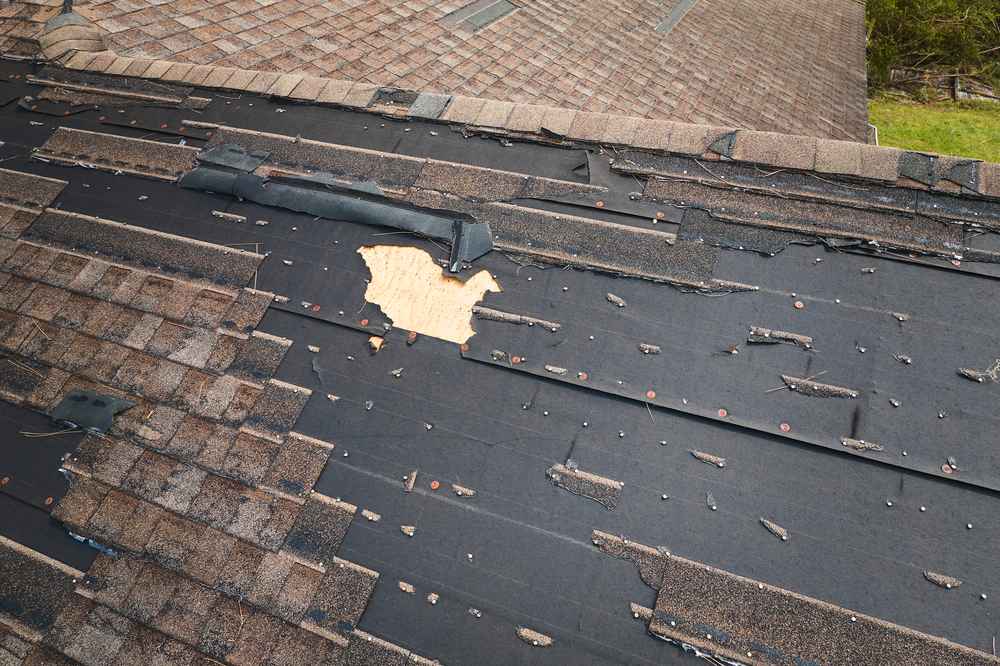
Wind can lift a shingle just enough to break its seal without tearing it off. In calm rain it lies flat. In a storm it lifts again and lets water under. One missing or creased shingle after a storm is worth a look before the next one.
6. Attic moisture that looks like a leak
Sometimes the roof isn’t leaking at all. Warm, humid air trapped in the attic can condense on the cool underside of the roof and drip, especially after a sudden cold front. Poor attic airflow makes it worse. If you see damp spots in many places instead of one, read our post on roof ventilation in Baton Rouge.
What to do tonight if water is coming in
- Put a bucket or towels under the drip and move furniture, rugs and electronics out of the way.
- If a spot on the ceiling is bulging with water, keep people out of the room below it.
- Take photos and short videos inside and, from the ground, outside. Note the date and how hard it was raining.
- Don’t climb on a wet roof. It’s slippery and dangerous, even for a short look.
- If water is coming through fast, call for emergency roof tarping. Our line is answered 24 hours a day at (225) 756-8603.
- Dry wet areas as soon as you can. The EPA advises drying wet materials within 24 to 48 hours to help prevent mold.
Why the leak is often far from the stain
Water rarely drips straight down from where it gets in. It runs along the roof deck, rafters and insulation first, so the stain on your ceiling can be several feet from the real opening. That’s why patching the spot above the stain often doesn’t work. A roofer traces the path from the attic and the roof surface until the source is found. That is how our roof leak repair work starts.
Is it a repair, or a sign the roof is done?
Most heavy-rain leaks come from one spot, and one spot can usually be fixed with a roof repair. It’s a different story when the shingles are worn across the whole roof, the leaks keep moving from place to place, or the decking underneath feels soft. At that point a roof replacement may cost you less over time than chasing leaks. A good roofer will tell you plainly which one you’re looking at.
Frequently asked questions
Why does my roof only leak during heavy rain?
Because heavy, wind-driven rain reaches spots that light rain doesn’t, like the top of the flashing, a cracked pipe boot, a valley or an overflowing gutter. The opening is real, but it only takes in water when there’s a lot of it moving fast.
Can a roof leak and then stop?
Yes. Many leaks only open up in certain rain and wind. The ceiling dries and the stain fades, but the opening is still there and the wood and insulation stay damp longer than you can see. Get it checked even if it has stopped.
Can clogged gutters cause a roof leak?
They can. When gutters overflow, water backs up under the roof edge and soaks the fascia and decking. It often shows up as a stain near an outside wall.
How can I tell if it’s a leak or condensation in the attic?
A roof leak usually shows up in one spot and lines up with rain. Condensation tends to show up in several places, often on cool mornings after a cold front, even when it hasn’t rained. A roofer can check the attic and tell you which it is.
Who do I call for a roof leak in Baton Rouge?
Call a licensed local roofer. You can check any contractor’s license on the Louisiana State Licensing Board for Contractors site. Ryson Roofing answers 24 hours a day at (225) 756-8603, and our roof inspections are free.
Get the leak found before the next storm
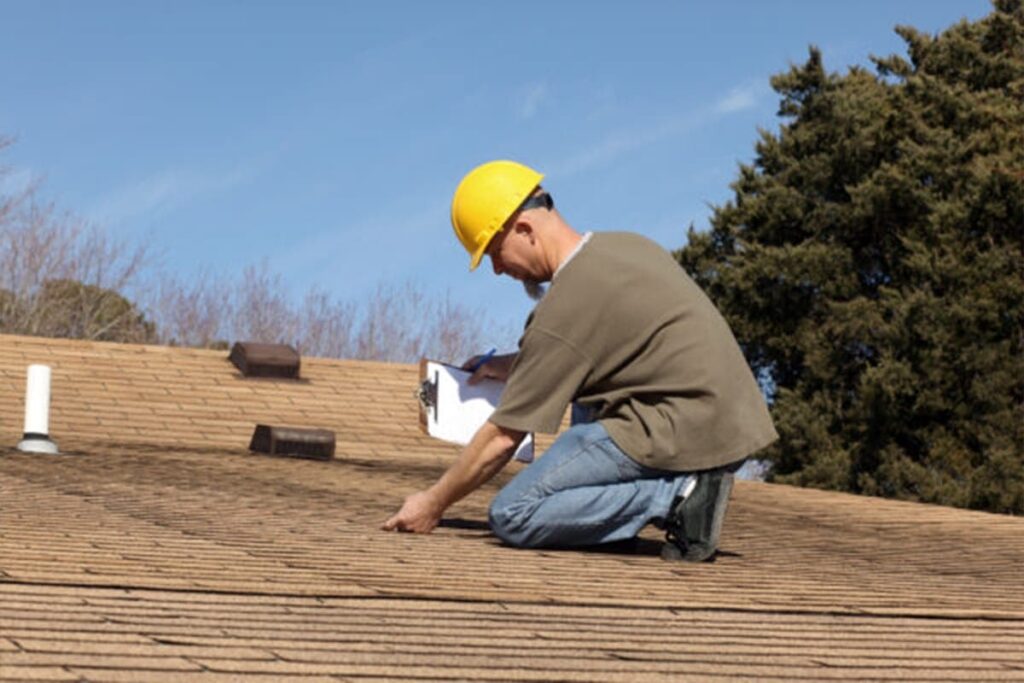
Ryson Roofing is a family-owned roofer that has served Baton Rouge for more than 25 years. If your roof only leaks when it rains hard, book a free roof inspection or contact our team. We’ll find where the water is getting in and tell you plainly what it takes to fix it.
Ryson Roofing, 14858 S Harrells Ferry Rd, Baton Rouge, LA 70816. Call (225) 756-8603, open 24 hours, or book your free roof inspection.