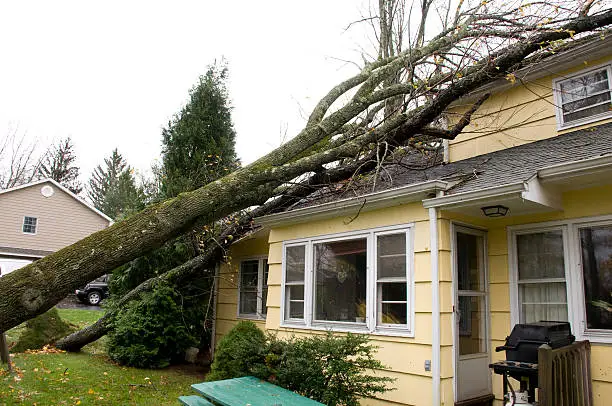
When a powerful storm hits Baton Rouge, it can leave behind a trail of chaos—especially for homeowners facing roof damage. Strong winds, hail, or flying debris can compromise your home’s first line of defense, leading to leaks, structural instability, and costly long-term problems. In such moments, quick and informed action is essential. This guide outlines five immediate steps every homeowner should take after storm roof damage to minimize risks, protect property, and ensure a smoother recovery process.
Whether you are dealing with minor shingle loss or severe damage, having a reliable plan and the support of residential roofing Baton Rouge professionals can make all the difference.
1. Prioritize safety and assess the situation cautiously
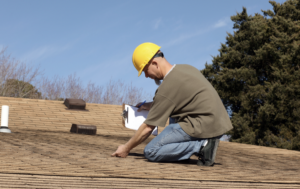
Your top concern following a storm should be ensuring personal and household safety. Avoid rushing outside immediately after the weather clears, as there could still be loose debris, downed power lines, or unstable sections of your roof. Instead, conduct a preliminary inspection from the ground using binoculars if possible. Look for visible signs of damage, such as missing shingles, sagging areas, or roof punctures.
If water has entered your home, turn off electrical power in affected areas and avoid stepping into standing water until it is confirmed safe. Document everything you observe but resist the urge to climb onto the roof yourself—unstable surfaces can pose a serious risk. Contact an emergency roof repair Baton Rouge service as soon as possible to handle a detailed inspection safely and professionally.
2. Document the damage for insurance claims
Thorough documentation plays a key role in successful insurance claims. Begin by taking clear photos and videos of all visible damage from multiple angles. Capture not just the roof, but also gutters, siding, windows, and any interior leaks or water stains. Create a written list describing each damaged area and note the date and time of the storm.
Most insurance companies require visual evidence to validate claims, so keeping a detailed record ensures you receive accurate coverage. Avoid making permanent repairs before your insurance adjuster inspects the damage. Temporary measures, such as covering holes with a tarp, are acceptable—but always notify your insurance company first.
Working closely with an experienced contractor can also help you navigate this step efficiently. Many reputable companies provide inspection reports designed specifically for insurance claims, reducing delays and ensuring fair compensation.
3. Prevent further damage with temporary protection
While waiting for professional help, take preventive steps to stop the damage from worsening. If it is safe, place waterproof tarps or heavy-duty plastic sheets over exposed sections of your roof. Secure them tightly to prevent rainwater from seeping in. Use buckets or containers indoors to collect dripping water and minimize ceiling stains or floor damage.
If you notice moisture in your attic or insulation, remove wet materials to prevent mold growth. These temporary actions will not fix the problem permanently, but they will protect your home’s structure until a team arrives.
Professional roofing contractors have the equipment and expertise to perform immediate emergency repairs, such as sealing leaks, replacing damaged shingles, or reinforcing weak spots. Acting quickly not only reduces repair costs but also prevents small issues from developing into major structural failures.
4. Schedule a professional roof inspection and estimate
After ensuring temporary protection, the next crucial step is arranging a professional inspection. Storm damage is not always visible from the ground—hail impacts, hidden leaks, and weakened underlayment can compromise your roof’s integrity without showing immediate signs.
A licensed contractor can perform a full inspection using advanced tools to detect hidden issues. They will provide a comprehensive report outlining the extent of the damage, recommended repairs, and an estimated cost. This information will also strengthen your insurance claim.
When selecting a contractor, verify that they are licensed, insured, and experienced in storm restoration projects. Look for companies that specialize in both residential and emergency roofing services, as they understand the urgency and complexity of post-storm repair work.
5. Begin repair or replacement promptly
Once your inspection and insurance approval are complete, schedule repairs immediately. Delaying work can lead to further deterioration, especially in Louisiana’s humid climate. Even minor leaks can cause water damage, mold, or rot within weeks.
A skilled emergency roofing team will assess whether your roof requires minor patching or a full replacement. If repairs are sufficient, ensure they use quality materials designed to withstand local weather conditions. If replacement is necessary, consider upgrading to more durable, wind-resistant shingles or impact-rated roofing systems.
Professional roofers can also guide you on improving ventilation, drainage, and insulation—factors that enhance longevity and energy efficiency. By addressing both visible and underlying damage, you restore your home’s safety and comfort while preventing future vulnerabilities.
Additional tips for a smooth recovery process
- Stay in contact with your insurance company: Keep all communication documented, including emails, call logs, and repair estimates.
- Avoid unlicensed contractors: Storm seasons often attract opportunists offering cheap repairs. Always verify credentials before hiring.
- Inspect other structures: Check fences, sheds, and detached garages for damage that may affect your property’s overall claim.
- Schedule regular roof maintenance: After repairs, commit to annual inspections to identify wear and tear early. Preventive care extends your roof’s lifespan and protects your investment.
Conclusion: Secure your home and peace of mind
Storm roof damage can be overwhelming, but knowing the right steps can turn chaos into control. From documenting every detail to working with trusted professionals, a proactive response ensures not only safety but also financial protection for your property. Every hour counts after a storm—addressing issues early can significantly reduce long-term costs, protect your family’s comfort, and maintain your home’s structural integrity. Acting quickly not only restores your roof but also prevents hidden issues, such as leaks, insulation damage, and mold growth, from escalating into major repairs that demand more time and money.
By partnering with experienced experts, you gain access to specialized skills, high-quality materials, and local knowledge tailored to Louisiana’s unique weather patterns. These professionals understand the urgency of storm-related damage and provide reliable solutions that enhance both safety and durability. In critical moments, do not hesitate to call for an emergency service! With expert support and timely action, you can safeguard your home, preserve its market value, and regain lasting peace of mind knowing that your roof is strong, secure, and ready to face whatever nature brings next.
1. How do I know if my roof has storm damage?
Common signs include missing shingles, dented gutters, granule loss, roof punctures, water stains on ceilings, and debris scattered across the roof. However
3. Does homeowners insurance cover storm roof damage?
In most cases, yes. Insurance policies in Louisiana typically cover damage caused by wind, hail, and falling debris. Coverage varies by provider, so review your policy to understand deductibles, exclusions, and claim requirements.
4. Can I stay in my home if my roof is damaged in Louisiana?
If the damage is minor—such as a few missing shingles—you can typically stay in your home. However, if there are active leaks, sagging sections, electrical hazards, or structural concerns, it may be unsafe. A professional inspection will help you determine the safest option.
5. How long does storm roof repair or replacement take in Louisiana?
The timeline can depend on the extent of the damage and the availability of materials. Minor repairs may take a few hours, while full replacements typically require 1–3 days. During peak storm seasons in Louisiana, scheduling early can help avoid delays. In this case it may be best to chat with on of our project managers for an accurate timeline!