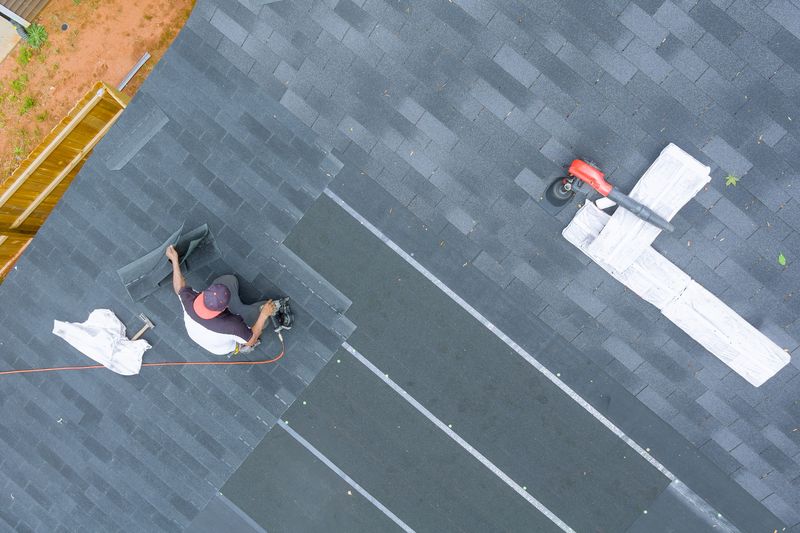
Your commercial roof is one of the most critical investments protecting your property, tenants, and business operations. When signs of damage or aging begin to appear, deciding between repair and replacement becomes a strategic financial decision rather than just a maintenance task. Understanding the long-term return on investment (ROI) behind each option helps property owners make informed, cost-effective choices that preserve both the building’s integrity and their bottom line. Partnering with a professional commercial roofing Baton Rouge company ensures that your decision is guided by data, expertise, and sustainability rather than guesswork.
Understanding the financial implications of roof decisions
The decision to repair or replace your commercial roof begins with a clear understanding of the roof’s current condition and how it impacts operating expenses. Roofs that require frequent maintenance may seem manageable in the short term but often lead to higher long-term costs due to recurring leaks, energy inefficiency, and interior damage.
A full roof replacement, on the other hand, demands a higher upfront investment but can extend your property’s lifespan, reduce utility bills, and improve resale value. For business owners, the ROI often depends on the balance between immediate cost savings and future financial performance. A trusted roofing contractor in Baton Rouge, LA can help you evaluate this balance through inspection reports and lifecycle cost analysis.
Key indicators your commercial roof may need repair
Not all damage requires immediate replacement. Sometimes, minor issues can be resolved through targeted repairs that extend the roof’s life without large expenses. Signs that suggest repair is a viable option include:
- Isolated leaks or punctures that are easily traceable
- Flashing damage around HVAC units or vents
- Minor ponding that can be resolved through drainage adjustments
- Intact insulation and underlayment with no signs of widespread moisture
Repairing these issues early not only prevents escalation but also minimizes business disruption. Regular maintenance from a professional commercial roofing service ensures that such small problems do not evolve into major structural risks.
Warning signs that point toward roof replacement
When wear and tear go beyond surface damage, repairs may no longer provide long-term value. Replacement becomes the most cost-effective and sustainable choice when:
- There is extensive water infiltration or saturated insulation
- The roofing membrane has reached the end of its lifespan (often 20–30 years)
- Energy bills are consistently rising due to poor insulation
- Frequent repairs are costing more than 10–15% of a full replacement estimate
- The roof’s structural integrity is compromised
Replacing the roof allows property owners to install advanced materials that enhance energy efficiency and reduce long-term maintenance costs. An expert can guide you in selecting modern systems such as TPO, PVC, or metal roofs designed for Louisiana’s heat and humidity.
ROI comparison: Repair vs. replacement
1. Initial investment
Repairs typically cost between 5–20% of a full replacement, depending on the scope of damage. While this makes them attractive short-term, repeated patchwork can lead to diminishing returns.
2. Lifespan extension
A well-executed repair may add five to eight years to your roof’s life, whereas a complete replacement ensures 20–30 years of durability with minimal maintenance.
3. Energy savings
New roofs with reflective or insulated membranes can lower cooling costs by up to 30%. This energy efficiency becomes an ongoing financial benefit that adds to ROI over time.
4. Maintenance frequency
Older roofs often require quarterly maintenance, while new installations typically demand only annual inspections—saving both time and operational costs.
5. Tax advantages
Roof replacements may qualify for Section 179 tax deductions, allowing property owners to expense part of the installation cost within the same fiscal year. Consulting your accountant can clarify potential benefits specific to your property type.
The role of professional assessment
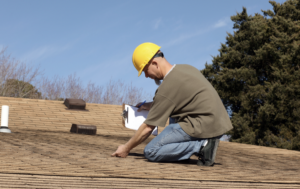
Before making any financial commitment, a professional inspection is essential. Certified roofers use infrared moisture scans, core sampling, and digital imaging to determine whether the roof can be salvaged through repairs or requires full replacement.
An expert will also provide a cost-benefit analysis comparing immediate and long-term financial outcomes. This report helps owners visualize how roof performance influences tenant satisfaction, insurance premiums, and building valuation.
Factors influencing ROI on roof replacement
A new commercial roof is not just a structural upgrade—it is a financial asset. The following factors significantly enhance ROI:
- Energy efficiency: High-reflectivity materials lower HVAC loads and reduce energy consumption.
- Durability: Materials like metal or single-ply membranes resist extreme weather and UV exposure common in Louisiana.
- Warranty coverage: Manufacturer and contractor warranties protect your investment from unexpected costs.
- Reduced operational disruption: Modern installation techniques allow roofers to complete replacements efficiently without halting business operations.
- Improved property appeal: For commercial landlords, an updated roof boosts tenant confidence and may justify higher lease rates.
When to schedule your roof decision
Timing your decision strategically can prevent revenue loss and weather-related emergencies. The ideal time to replace a commercial roof in Baton Rouge is during dry, moderate seasons—typically late spring or early fall. Repairs, however, should be addressed immediately when issues arise to prevent internal water damage.
A professional contractor can plan the project timeline around your business schedule, ensuring minimal disruption. Their expertise ensures compliance with local building codes and safety standards.
Balancing budget and performance
Every commercial property owner must weigh the financial practicality of repairs against the performance benefits of replacement. For newer roofs with isolated problems, repairs offer excellent short-term ROI. However, for older systems facing recurring damage, replacement delivers stronger long-term returns through improved performance and lower total cost of ownership.
In either case, professional consultation is key. A reliable service provider will perform detailed inspections, document findings, and recommend the most cost-effective approach based on lifecycle performance, energy data, and budget constraints.
Conclusion: Making a strategic investment for the future
Your roof decision should align with your long-term business strategy, not just your maintenance budget. Whether you choose repair or replacement, the goal is to maximize property value, operational efficiency, and energy savings. Partnering with an experienced contractor ensures that your investment delivers measurable returns while maintaining safety and compliance. With the right decision, your commercial roof becomes more than just protection—it becomes a strategic asset supporting your business growth for decades to come.