South Louisiana humidity puts constant stress on a roof, and homeowners looking for roofing solutions in Baton Rouge should know that black streaks, lingering moisture, and long-term shingle wear are often connected. Roof algae thrives in warm, humid conditions, while the asphalt inside a shingle ages over time from oxidation and UV exposure.
What Roof Algae Really Means
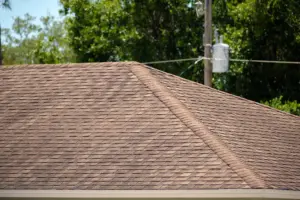
Roof algae is a surface growth that causes dark streaks. On asphalt shingles, those stains are commonly linked to Gloeocapsa magma, a blue-green alga or cyanobacterium that spreads via airborne spores and is especially common in the Gulf States and other warm, humid regions.
That matters in Baton Rouge because algae is often a sign that parts of the roof stay damp longer than they should. GAF notes that moisture and appropriate temperatures help algae grow, and that dew is a primary source of moisture. It also tends to show up more on roof sections that get less sunlight.
How Humidity Fits Into The Ageing Process
Humidity does not chemically break down shingles on its own. A better way to explain it is this: chemical ageing is the slow hardening and weakening of the asphalt binder within the shingle, and research shows that asphalt coatings are strongly affected by oxidation and UV exposure over time. Ageing can lead to brittleness, cracking, and weaker granule adhesion.
In South Louisiana, humidity makes that bigger process worse in real life because roofs stay wet longer, algae returns more easily, and the weather delivers repeated moisture stress. Baton Rouge’s current 30-year climate normals show about 61.94 inches of annual precipitation, meaning local roofs handle a lot of water throughout the year.
Why Roofing Solutions Baton Rouge Homes Need To Address Moisture First
The best roofing solutions Baton Rouge homeowners can choose usually start with moisture control. If a roof surface stays damp, algae can keep coming back, debris can hold water against the shingles, and small weaknesses have more time to turn into bigger problems.
That is why a roof with dark streaks should not be dismissed as “just ugly.” Algae itself is often more of a warning sign than the main cause of failure. It points to a roof environment where moisture, heat, and sunlight work together to shorten shingle life. That is exactly why many people researching roofing solutions are really trying to solve a moisture problem first.
Common local conditions that make this worse include:
- Shaded roof sections that dry slowly
- Tree debris that traps moisture
- Long rainy periods
- Weak attic ventilation
- Minor drainage or flashing problems
Those risk factors align with industry guidance indicating that algae grows where moisture lingers and where roof areas receive less sunlight.
How Chemical Aging Changes A Shingle
An asphalt shingle is made of layered materials that work together. The asphalt coating provides waterproofing and holds the granules in place, while the granules protect the asphalt from UV-related degradation.
As that asphalt coating ages, the shingle can lose flexibility. In simple terms, the shingle gets harder, more brittle, and less able to handle normal weather stress. Research from the Asphalt Institute Foundation explains that ageing of the roofing asphalt binder is associated with brittleness, cracking, and loss of granule adhesion.
That is where “integrity” comes in. Roof integrity means the shingles still have enough strength, flexibility, and surface protection to shed water as they should. When shingles lose granules, curl, crack, or dry out excessively, their protective system begins to break down. For homeowners comparing roofing solutions, this is the point where routine maintenance turns into repair planning.
Signs Your Shingles May Be Aging Faster Than They Should
Some warning signs are easy to spot from the ground. Others show up inside the house first.
Watch for:
- Black streaks or patchy discoloration
- Granules collecting in gutters
- Curling, cracking, or brittle shingles
- Soft spots or recurring leaks
- Roof areas that stay dark or damp long after rain
- Ceiling stains or attic moisture
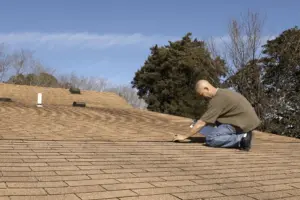
These signs do not always mean full replacement is needed right away, but they do mean the roof deserves a closer look. In many cases, this starts with an inspection that separates cosmetic staining from true shingle wear.
Smart Roofing Solutions Baton Rouge Property Owners Can Use
Good prevention is usually simpler than people expect. The goal is to help the roof dry faster, reduce biological growth, and protect the shingle surface from avoidable wear.
Useful steps include:
- Trimming branches to increase sunlight and airflow
- Removing leaf buildup and other debris
- Fixing small flashing or drainage problems early
- Improving attic ventilation where needed
- Choosing algae-resistant shingles during replacement
- Avoiding pressure washing on asphalt shingles
That last point matters. ARMA and GAF both warn against power washing asphalt shingles because it can remove granules and contribute to premature failure. ARMA also notes that algae-resistant shingles are available and are designed to inhibit algae growth for extended periods.
For many households, the most cost-effective solutions are not dramatic. They are small corrections made early, before moisture exposure and aging start feeding each other.
When Repair Is Enough And When Replacement Makes More Sense
Repair is often enough when the problem is isolated. A few damaged shingles, early staining, or a single flashing issue can usually be addressed without replacing the entire roof.
Replacement becomes more likely when wear is widespread. If the roof has major granule loss, repeated leaks, widespread curling, or clear signs that the shingle surface has lost integrity, replacement may be the smarter financial choice. This same climate logic also affects commercial buildings, which is why owners often end up speaking with commercial roof replacement contractors when moisture-related problems keep returning. In both residential and commercial cases, the right answer starts with an honest inspection.
FAQ
1. Does algae mean my roof is failing?
Not always. Algae is often a cosmetic problem first, but it signals that moisture is lingering on the roof surface. That is worth checking, as the same damp conditions can accelerate wear over time.
2. Can humidity alone destroy shingles?
Not by itself. The main chemical aging drivers are oxidation and UV exposure, but high humidity and frequent moisture can keep a roof wet longer and make real-world deterioration happen faster.
3. Should I pressure wash black streaks off my roof?
No. Industry guidance warns that power washing can damage asphalt shingles by loosening or removing granules. Low-pressure cleaning methods approved by the manufacturer are safer.
4. Are algae-resistant shingles worth it in Baton Rouge?
They often make sense in warm, humid climates where algae is common. ARMA says algae-resistant shingles are available specifically to inhibit algae growth for extended periods.
5. Do commercial buildings deal with similar moisture issues?
Yes. The materials are different, but the climate pressure is similar. That is one reason business owners sometimes consult commercial roof replacement contractors after recurring moisture problems, staining, or chronic leaks.